

A Guide to Authentic Balinese and Indonesian Food Beyond the Tourist Hotspots
When people think about food in Bali, they often picture smoothie bowls, avocado toast, specialty coffee, and beautifully designed cafés.
And honestly, they’re not wrong.
Bali has become one of the world’s most popular destinations for café culture. From healthy breakfast spots in Canggu to trendy brunch cafés in Ubud, it’s easy to find international food almost anywhere on the island.
But if you truly want to experience Bali beyond the Instagram feed, there’s another side of the culinary scene you shouldn’t miss.
Local food.
Behind the beach clubs, coworking spaces, and modern restaurants is a rich food culture filled with family recipes, traditional cooking methods, bold spices, and generations of culinary heritage.
For many travelers, the meals they remember most aren’t always found in famous restaurants. They’re often discovered in small local warungs, roadside food stalls, neighborhood eateries, and family-owned kitchens where food is prepared with care every single day.
If you’re looking for authentic Balinese food and real local flavors, here’s what you should eat in Bali and where to find it.
Why Local Food Is One of the Best Ways to Experience Bali
Food tells stories.
It reflects history, culture, family traditions, and local ingredients.
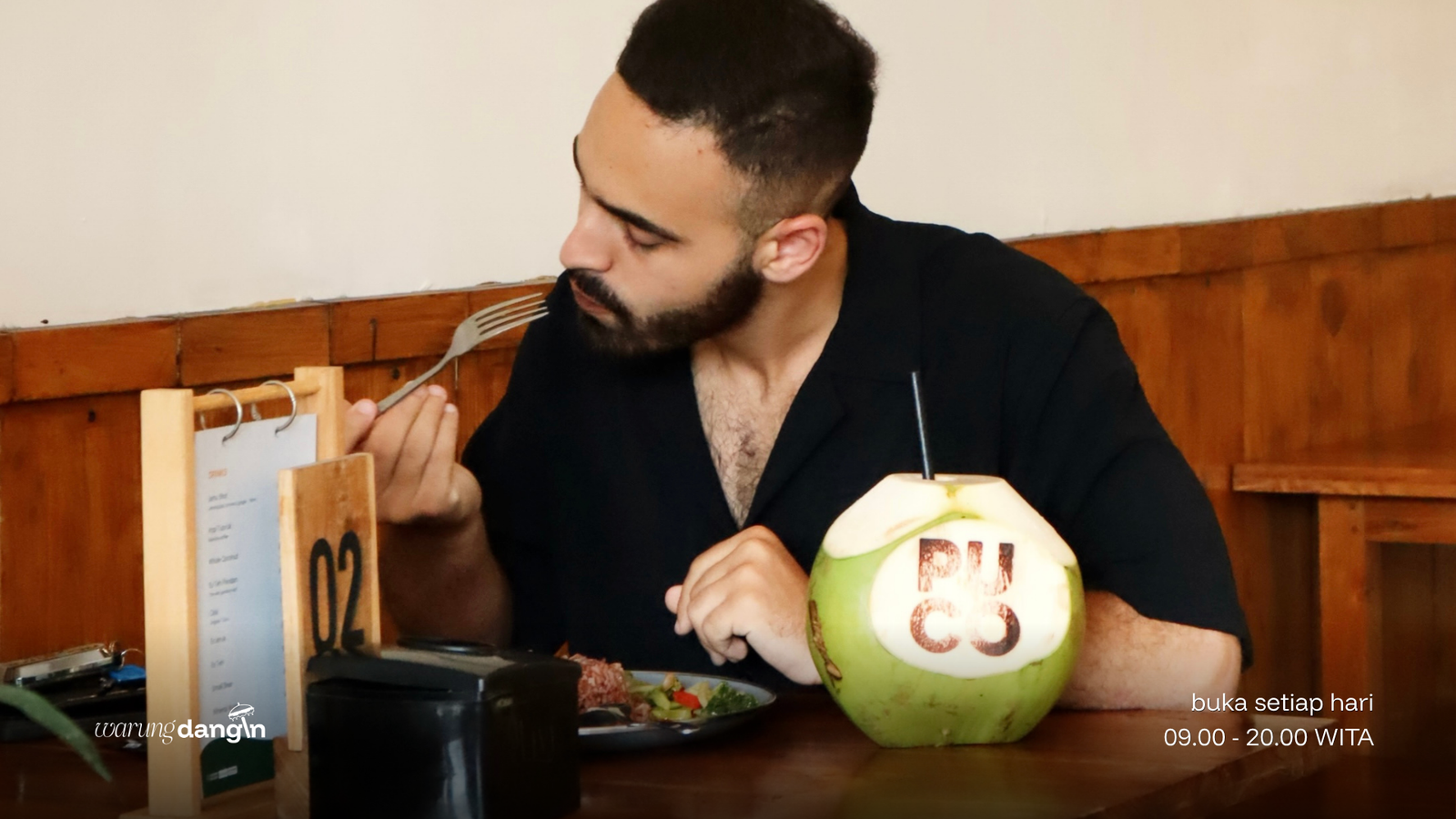
When you eat local food in Bali, you’re not just enjoying a meal. You’re experiencing a part of daily life on the island.
Balinese and Indonesian cuisine is known for its rich combination of flavors:
- Sweet
- Savory
- Spicy
- Smoky
- Aromatic
Many dishes use ingredients such as:
- Turmeric
- Ginger
- Garlic
- Chili
- Lemongrass
- Coconut
- Lime leaves
- Shallots
The result is food that feels layered, comforting, and deeply satisfying.
While international cuisine is easy to find in Bali, local food offers an experience that simply can’t be replicated elsewhere.
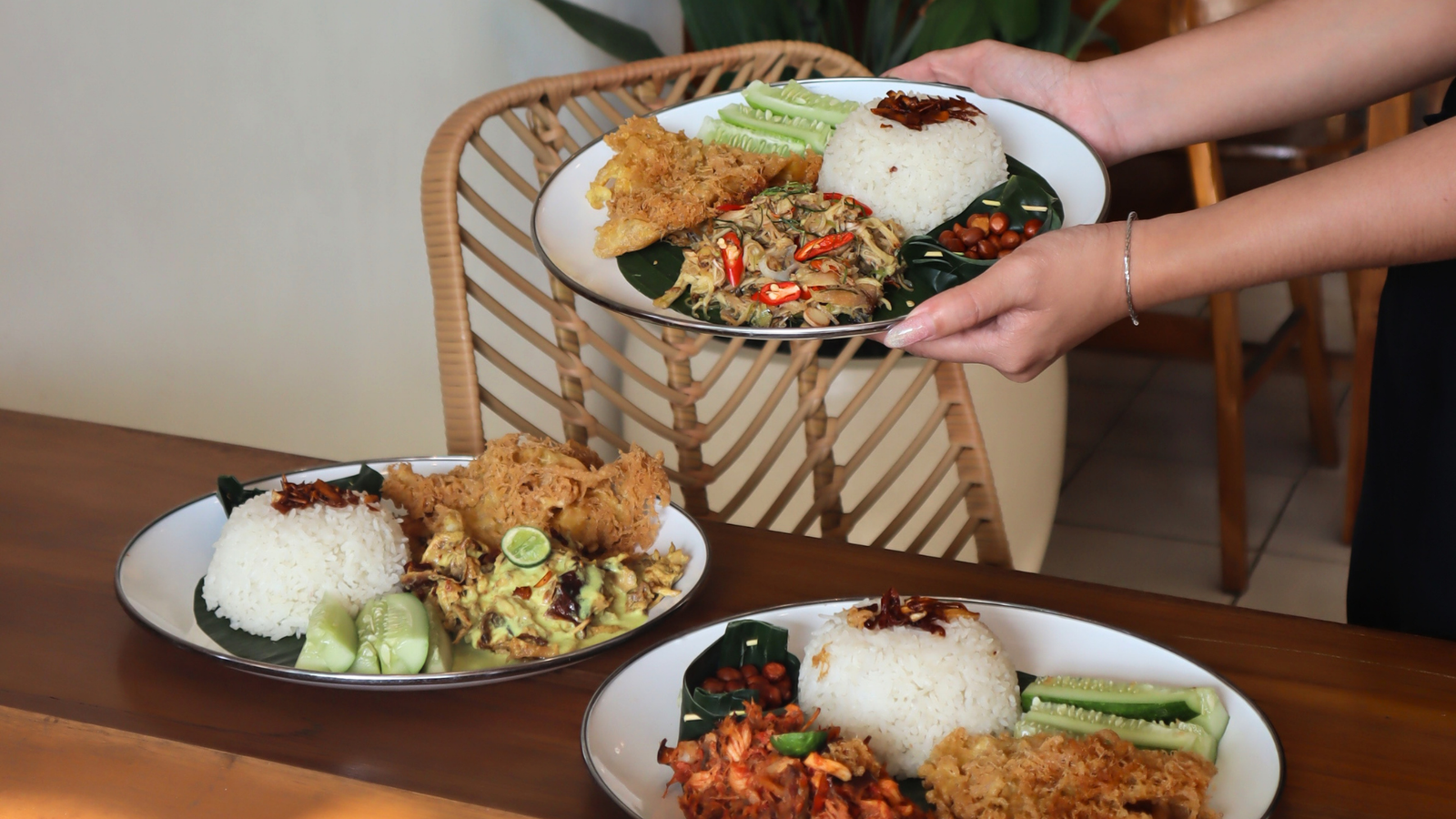
Start With Nasi Campur
If you only try one Indonesian dish during your Bali trip, make it nasi campur.
The name literally translates to “mixed rice,” but the experience is much more exciting than it sounds.
A typical plate of nasi campur includes steamed rice served with a variety of small side dishes.
Depending on the warung, you might receive:
- Chicken
- Egg
- Tempeh
- Tofu
- Vegetables
- Sambal
- Peanuts
- Satay
- Beef
- Fish
Every restaurant creates its own version, which means no two plates are exactly the same.
This variety makes nasi campur one of the best introductions to Indonesian food because you can sample several flavors and textures in a single meal.
For digital nomads, remote workers, and travelers, nasi campur often becomes a favorite lunch option because it is:
- Affordable
- Filling
- Flavorful
- Easy to find
- Rich in protein and vegetables
It’s one of the most authentic food experiences available in Bali.
Don’t Skip Local Warungs
One of the biggest mistakes visitors make is only eating at popular cafés and restaurants.
Some of Bali’s best food isn’t served in stylish interiors or featured on social media.
It’s served in warungs.
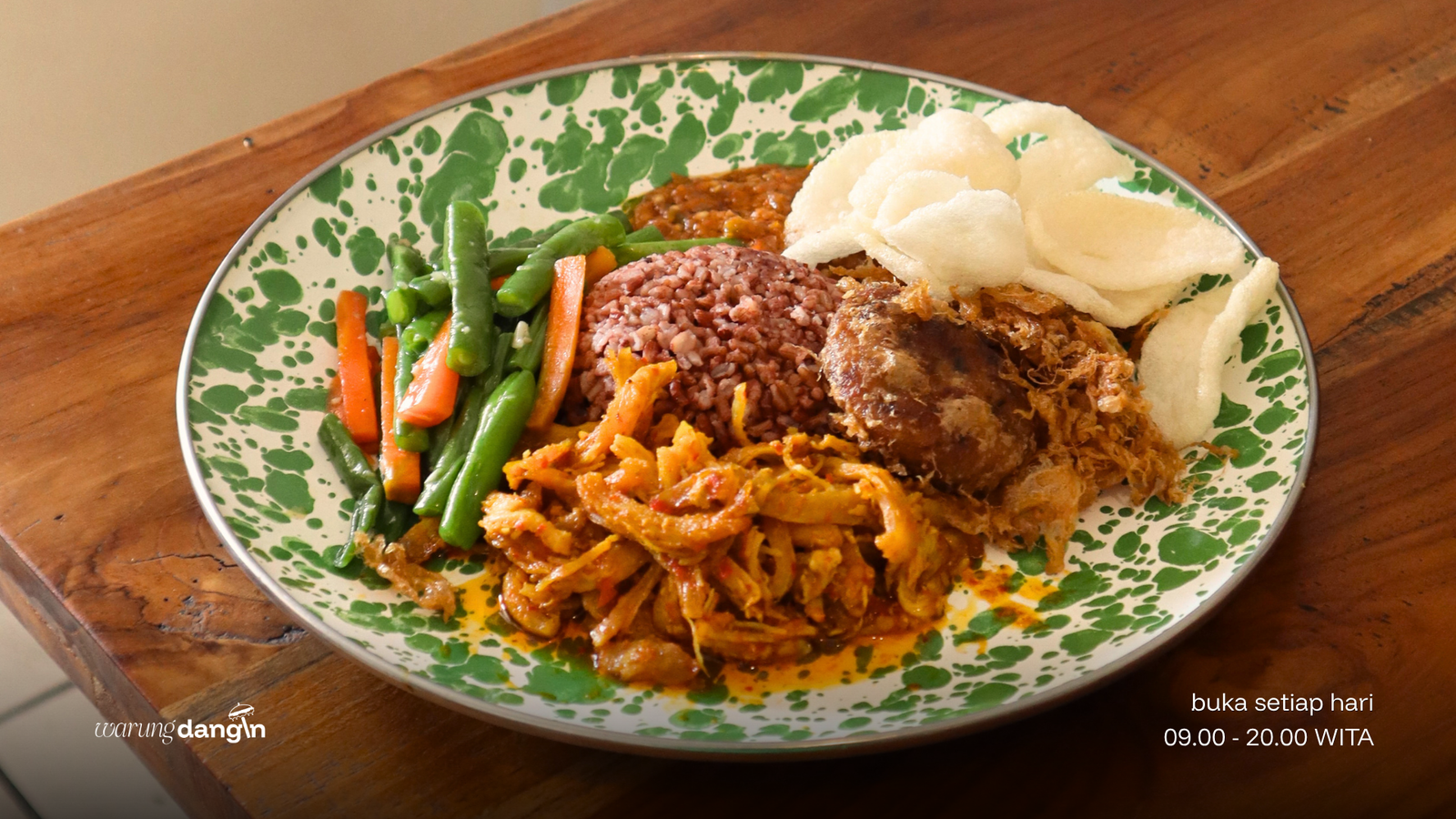
A warung is a small family-owned restaurant that serves local food, often based on recipes passed down through generations.
Warungs are the heart of Indonesian dining culture.
They are usually:
- Affordable
- Casual
- Authentic
- Freshly prepared
- Popular with locals
One of the easiest ways to identify a great warung is by observing who eats there.
If local residents are filling the tables, that’s usually a very good sign.
Unlike large restaurants, warungs focus less on presentation and more on flavor.
The atmosphere is often simple, relaxed, and welcoming.
You sit down, look at the available dishes, and enjoy food that feels genuinely homemade.
For travelers seeking authentic Indonesian food in Canggu, visiting local warungs provides a much deeper connection to Bali’s culinary culture.
Experience Traditional Indonesian Comfort Food
Many visitors arrive in Bali expecting light tropical meals.
What surprises them is how comforting and satisfying Indonesian food can be.
Local comfort foods often include:
Nasi Goreng
Indonesia’s famous fried rice.
Made with garlic, shallots, sweet soy sauce, vegetables, and your choice of protein, nasi goreng is one of the country’s most iconic dishes.
It’s commonly eaten for breakfast, lunch, or dinner.
Mie Goreng
The noodle version of nasi goreng.
Stir-fried noodles combined with vegetables, egg, and meat create a meal that’s both flavorful and filling.
Bubur Ayam
A traditional chicken porridge popular for breakfast.
Warm, savory, and comforting, bubur ayam is especially popular during rainy mornings or after long travel days.
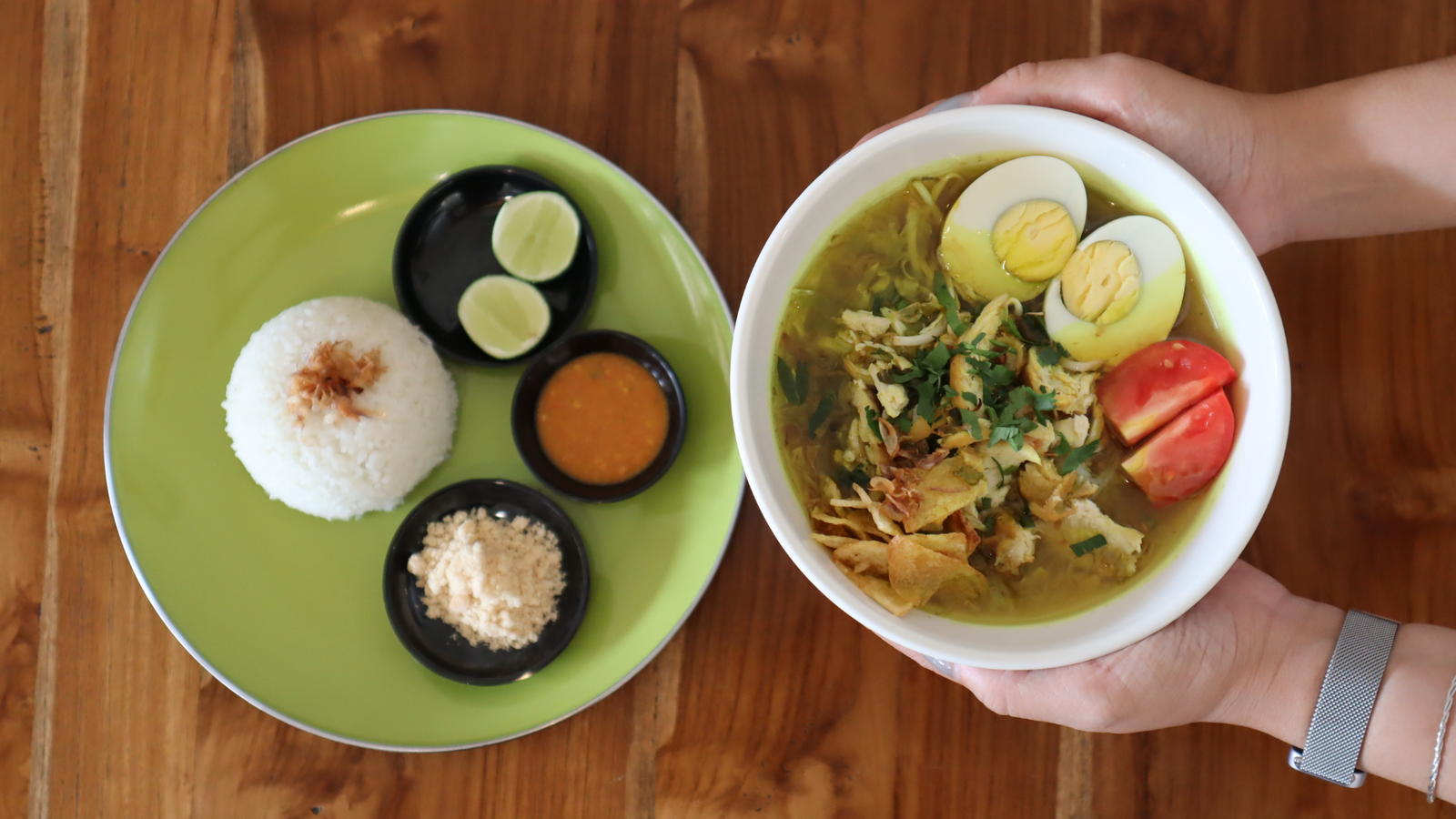
Soto Ayam
A fragrant chicken soup flavored with turmeric and herbs.
It’s light yet satisfying and offers a wonderful introduction to Indonesian flavors.
These dishes represent the everyday food that locals actually eat.
And often, that’s where the best culinary experiences begin.
Try Local Balinese Breakfast At Least Once
Many travelers spend every morning ordering smoothie bowls or eggs on toast.
While there’s nothing wrong with that, local breakfasts deserve a place on your Bali itinerary too.
Traditional Indonesian breakfasts often provide:
- More protein
- More savory flavors
- Longer-lasting energy
Popular breakfast options include:
- Nasi goreng
- Bubur ayam
- Nasi kuning
- Pisang goreng
- Fresh local coffee
Starting your morning with local food offers a completely different perspective on Bali’s food culture.
It’s also a great way to eat like a local rather than a tourist.
Don’t Miss Bali’s Street Food Culture
One of the most enjoyable parts of food in Bali comes alive after sunset.
As the evening begins, food carts and small roadside stalls appear throughout Canggu and other parts of the island.
The aromas alone are enough to make you stop.
Among the most popular street snacks are:
Martabak
Often described as Indonesia’s answer to stuffed pancakes.
Martabak is thick, warm, rich, and incredibly indulgent.
Popular fillings include:
- Chocolate
- Cheese
- Peanuts
- Condensed milk
- Nutella
It’s usually shared among friends and enjoyed late at night.
Pisang Goreng
Fried banana remains one of Indonesia’s most beloved snacks.
Some vendors keep it simple.
Others serve it with:
- Honey
- Chocolate sauce
- Ice cream
- Cheese
It’s sweet, comforting, and surprisingly addictive.
While these snacks may not be the healthiest options available, they are definitely part of the authentic Bali experience.
Why Food Is So Connected to Community in Bali
One thing visitors quickly notice is how social food culture is in Bali.
Meals are rarely just about eating.
They’re about gathering.
Families eat together.
Friends meet over lunch.
Communities connect through shared meals.
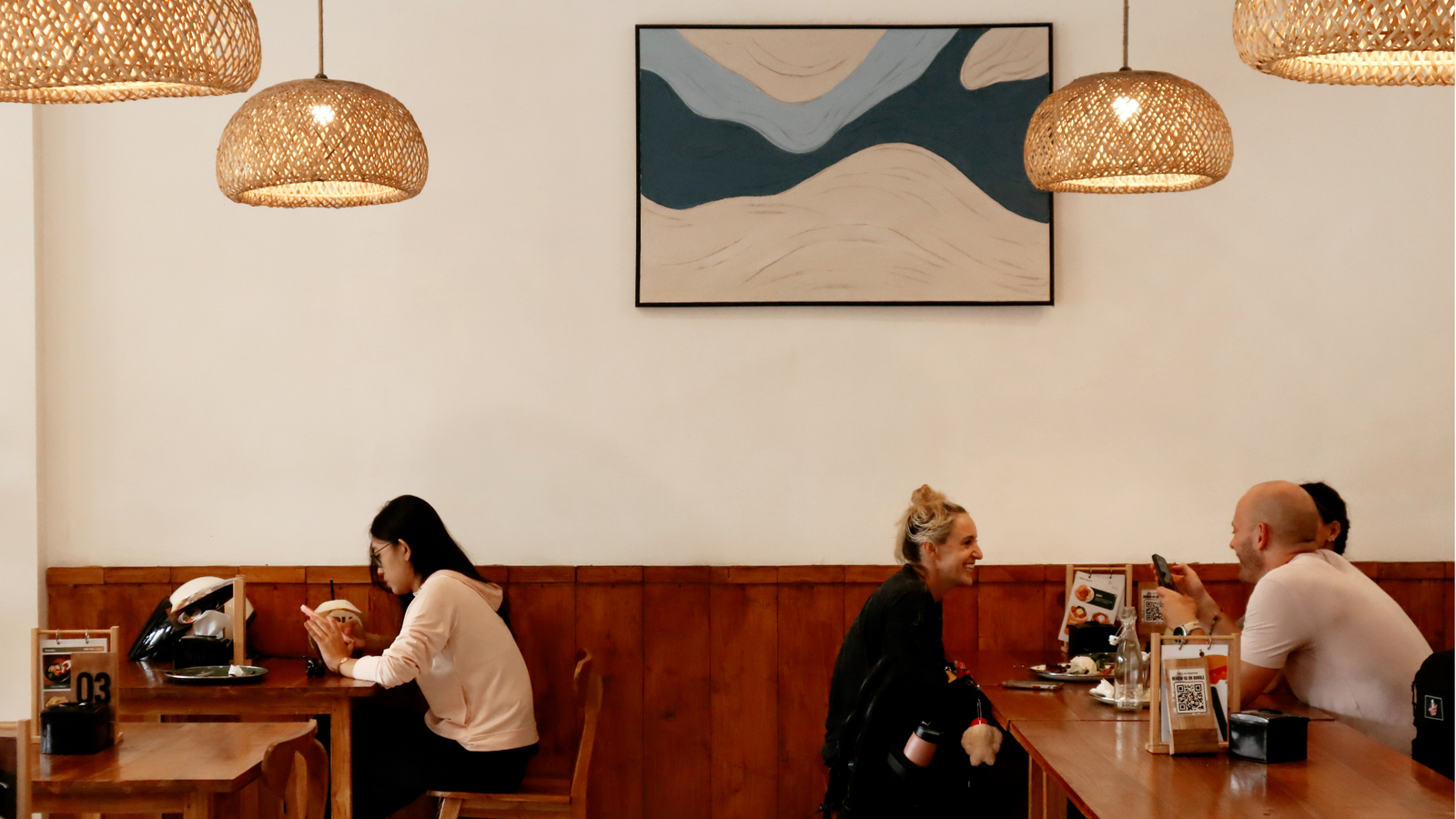
For digital nomads, food often becomes one of the easiest ways to meet new people.
A simple lunch break can become a conversation.
A conversation can become a friendship.
A friendship can become a business collaboration, travel companion, or support network.
This is especially true in areas like Canggu, where people from around the world gather to work remotely and build new experiences.
Food naturally creates opportunities for connection.
Local Food and the Digital Nomad Lifestyle
Many remote workers initially arrive in Bali focused on productivity.
They search for:
- Coworking spaces
- Reliable WiFi
- Comfortable accommodation
But eventually, they discover that food plays a huge role in their daily routine.
The perfect workday often includes:
- Coffee in the morning
- A productive coworking session
- Lunch at a local warung
- Afternoon networking
- Dinner with friends
Local food becomes part of the lifestyle.
It helps create routine, comfort, and connection.
And often, it becomes one of the reasons people stay in Bali longer than they originally planned.
Discovering Authentic Food in Canggu
Canggu has become one of Bali’s most popular destinations for digital nomads and remote workers.
While it’s known for trendy cafés and international restaurants, it also offers excellent opportunities to explore authentic Indonesian cuisine.
The key is balancing both worlds.
Enjoy the café culture.
Try the brunch spots.
But also leave room for:
- Local warungs
- Family-owned restaurants
- Street food vendors
- Traditional Indonesian dishes
The most memorable food experiences often happen in places you weren’t planning to visit.
View this post on Instagram
About PUCO Rooftop
PUCO Rooftop is a coworking space and eatery in Canggu designed for digital nomads, remote workers, entrepreneurs, and travelers seeking both productivity and connection.
Located in the heart of Canggu, PUCO combines comfortable workspaces with a relaxed Bali atmosphere, creating an environment where people can build routines while enjoying everything Bali has to offer.
With fast WiFi, quiet work areas, meeting rooms, comfortable seating, air-conditioned indoor spaces, and a welcoming international community, PUCO supports productive workdays without sacrificing lifestyle.
Beyond coworking, PUCO embraces the social side of Bali through community events, networking opportunities, and connections with local businesses around Canggu.
Together with local food experiences, community gatherings, and initiatives like PUCO Mates, PUCO helps visitors experience Bali beyond the typical tourist route.
Because the best Bali experience isn’t only about where you work.
It’s also about the people you meet, the places you discover, and the meals you’ll never forget.
@pucorooftop
www.pucorooftop.com
Gg. Pratama 1A, Tibubeneng, Bali